Areas of Experience
The kinds of situations we've been brought in to work through, described factually.
The work varies. The pattern is consistent: an organization under sustained operational pressure, decisions that have been deferred longer than anyone intended, and a need for a broader vantage point to help work through them.
What follows describes the categories of work we take on and the situations where it tends to come up. We don't name clients. We don't publish outcomes. The work is described factually.
Multi-Site Construction Program Reviews
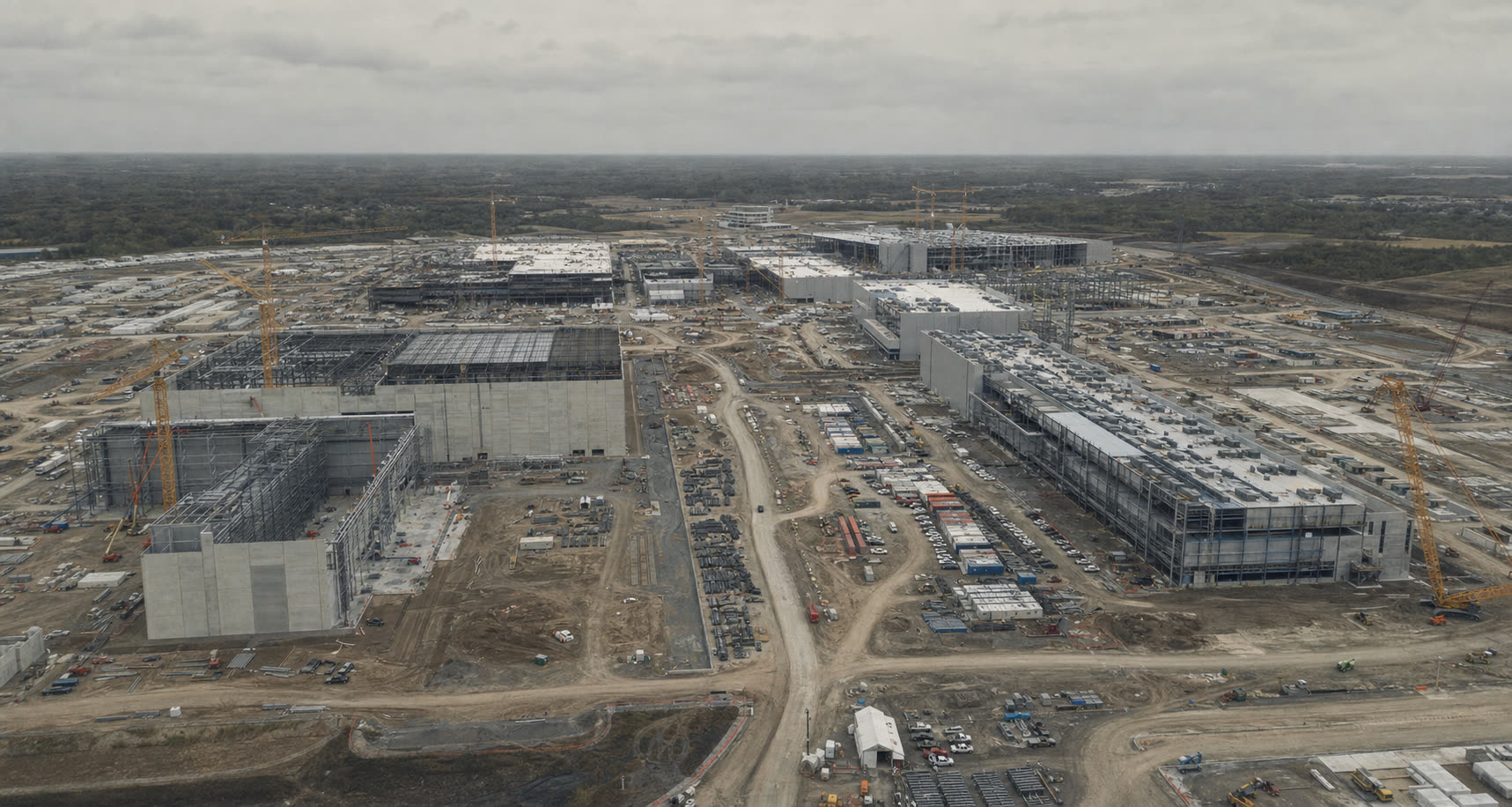
What this looks like: A construction or infrastructure organization running programs across multiple sites, contractors, or regions — with meaningful performance variance between them and limited visibility into the upstream causes.
The work typically involves: Looking at how execution processes, communication structures, and decision-making patterns differ across contractor teams and sites. Identifying what the higher-performing programs are doing that the others aren't. Examining where program-level information is flowing between contractors and the owner's organization, and where it's arriving too late to act on. Developing a consistent framework that raises execution standards across the program without requiring a different workforce.
Commissioning and Turnover Process Work
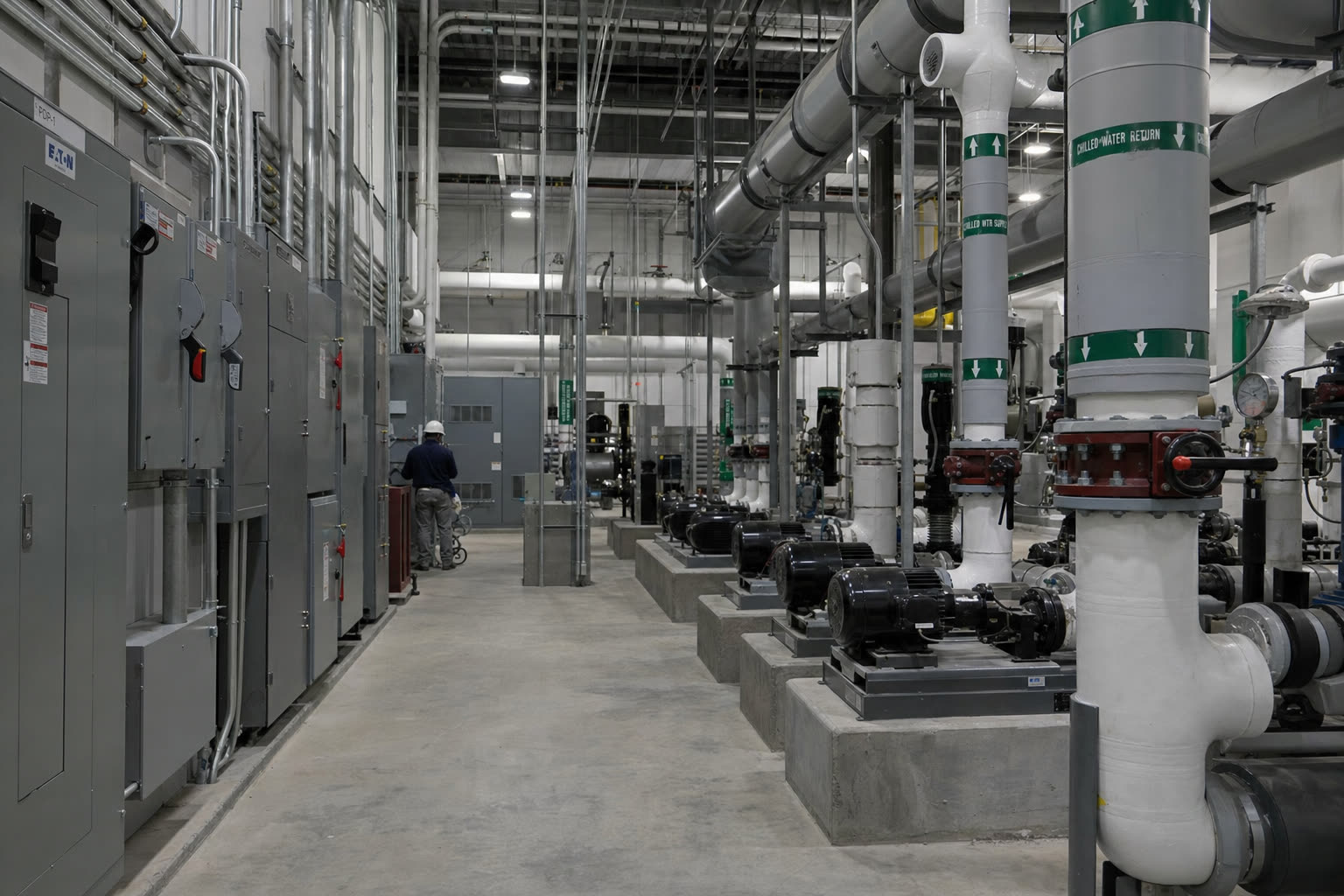
What this looks like: A commissioning organization or general contractor managing commissioning activities across multiple facilities under schedule pressure — where the team is behind and the assumption is that the problem is headcount.
The work typically involves: Mapping how the commissioning team is actually spending their time, and what fraction of that time is productive commissioning activity versus documentation, coordination, and rework caused by premature construction turnover. Reviewing the turnover quality process and the interface between construction completion and commissioning readiness. Looking at how commissioning packages are developed, distributed, and tracked. Finding the capacity that's already there but being absorbed by administrative friction.
Workforce and Capacity Planning Support
What this looks like: A program or operations organization dealing with a growing gap between the work on the horizon and the workforce available to do it — and needing a clearer picture of where that gap is, and which interventions would have the most impact.
The work typically involves: Looking at where workforce constraints are creating downstream schedule pressure, which activity types carry the highest labor-hour burden and are most likely to be rate-limiting, and where process changes or different deployment strategies could reduce the burden on crews without reducing throughput. This work often connects to automation evaluation — but the starting point is always understanding the capacity picture first.
EHS Exposure Pattern Analysis
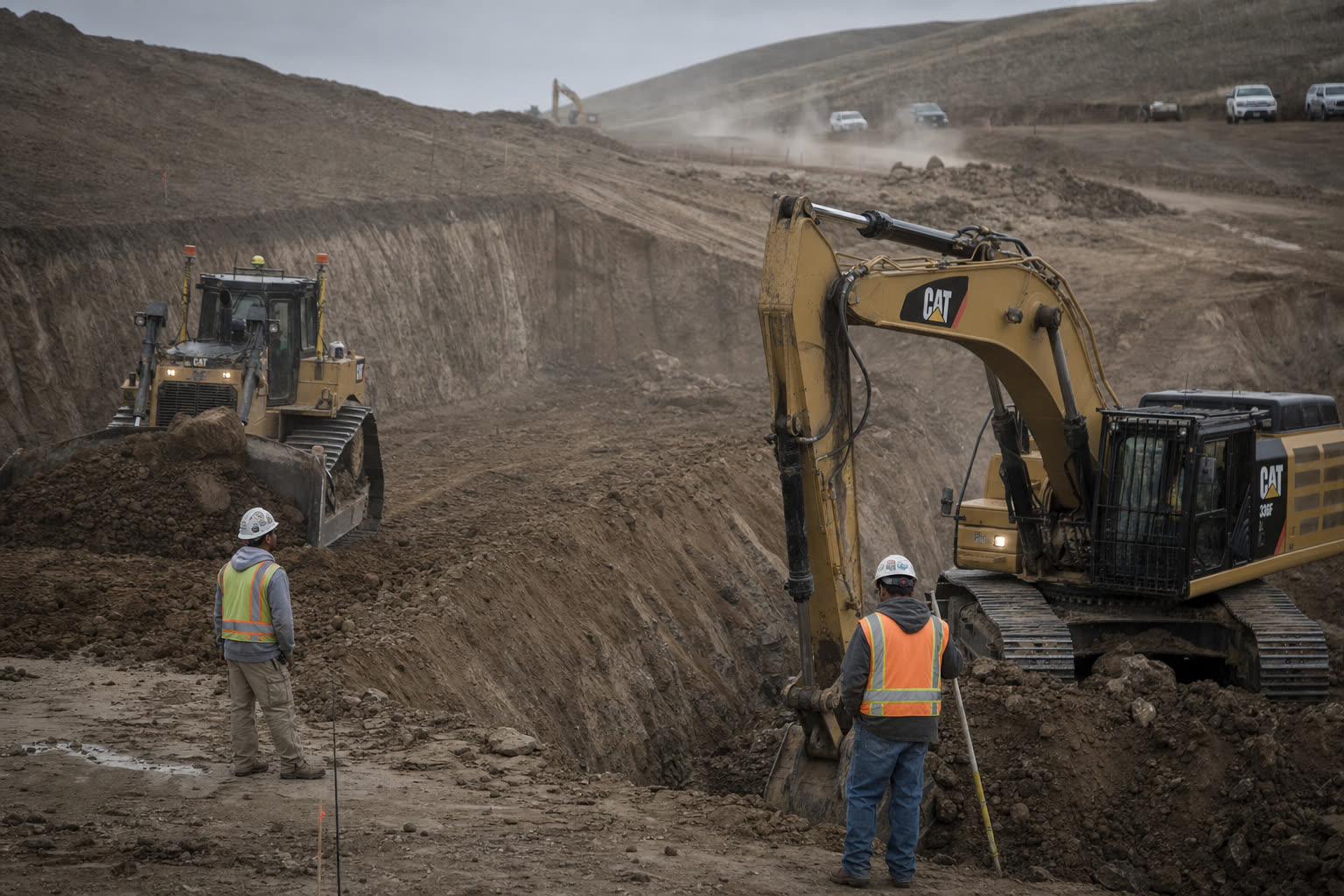
What this looks like: A general contractor or program with a strong safety culture seeing persistently elevated incident or near-miss rates on specific activity types — despite training, increased observation, and updated procedures.
The work typically involves: Examining the specific activities where exposure events are concentrated and the workflow conditions under which they're occurring. Asking whether the workflow design is requiring worker-equipment proximity or physical exposure as a standard condition of the task — not due to error, but because that's how the process is set up. Looking at whether EHS observation data is being analyzed across projects to surface patterns, or being treated as site-level records. Identifying which activities are candidates for process redesign and which are candidates for technology-based intervention.
Controls and Operations Workflow Improvement
What this looks like: A controls, operations, or commissioning organization generating significant amounts of data about how systems are running — but not getting actionable information from it in time to matter.
The work typically involves: Mapping how information flows from the field or the systems into the hands of the people who need to act on it. Identifying where the bottlenecks are in that flow — whether they're in reporting processes, system configuration, team structure, or the absence of a clear owner for a given data stream. Finding the specific improvements that produce a cleaner, faster information path without requiring a technology overhaul.
Construction Technology Evaluation
What this looks like: An organization considering a technology investment — a new platform, an automation deployment, an AI tool — and wanting an independent, operationally grounded evaluation before committing.
The work typically involves: Looking at the operational problem the technology is meant to solve, and whether that's actually the right problem to be solving. Evaluating whether the technology fits the actual conditions and workflows of the programs it would be applied to. Providing a vendor-agnostic assessment of options and a clear recommendation — not tied to any specific product or platform.
Cross-Functional Program Coordination
What this looks like: A large program where multiple contractors, trades, or functional teams need to operate in close coordination — and the coordination overhead is itself becoming a source of schedule pressure and execution failures.
The work typically involves: Identifying where coordination failures are occurring and what their upstream causes are. Looking at information handoffs between organizations, shared accountability gaps, and the specific points in the program sequence where coordination breaks down most frequently. Building clearer structures and protocols for the interfaces that matter most.
Operations and Maintenance Program Support
What this looks like: An operations or maintenance organization managing complex facilities — where execution quality, reliability, and workforce efficiency matter — and where the gap between how programs are designed to run and how they actually run has grown over time.
The work typically involves: Reviewing how maintenance and operations workflows are structured, where process drift has occurred, where information and decision-making flows have become inefficient, and which improvements would have the most impact on program reliability and workforce capacity.
These situations are common. They're also usually improvable.
If you recognize something in the descriptions above, reach out. We'll have a direct conversation about what you're dealing with and whether it's something we can help with.
Start a Conversation